
The garment industry has always been one of the most dynamic sectors in the global economy. However, in recent years, the pace of change has accelerated significantly. Driven by technology, evolving consumer preferences, sustainability concerns, and the rapid growth of e-commerce, the fashion and apparel industry is experiencing a major transformation. Businesses that adapt to these changes are finding new opportunities, while those that fail to innovate may struggle to remain competitive.
The Shift Towards Sustainable Fashion
One of the biggest changes in the garment industry is the growing demand for sustainable fashion. Today’s consumers are becoming more conscious about the environmental impact of their clothing choices. They want to know where their garments are made, how they are produced, and whether ethical practices are being followed.
As a result, garment manufacturers and fashion brands are increasingly adopting sustainable practices. The use of organic cotton, recycled fabrics, eco-friendly dyes, and waste-reduction techniques is becoming more common. Sustainability is no longer a marketing trend—it has become a business necessity. Brands that prioritize responsible production are gaining the trust and loyalty of modern consumers.
Technology Is Revolutionizing Manufacturing
Technology is transforming every stage of the garment manufacturing process. Advanced machinery, automation, and digital tools are helping manufacturers improve efficiency, reduce production costs, and maintain consistent quality standards.
Digital pattern-making, automated cutting machines, and AI-powered forecasting tools allow manufacturers to optimize production and minimize fabric waste. These innovations not only increase productivity but also help businesses respond quickly to changing market demands.
The integration of technology is enabling garment manufacturers to produce high-quality apparel faster than ever before, making them more competitive in both domestic and international markets.
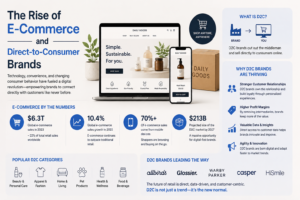
The growth of online shopping has completely changed the way fashion products are sold. Consumers now prefer the convenience of browsing and purchasing clothing from their smartphones and computers. This shift has encouraged many garment brands to establish a strong online presence.
Direct-to-consumer (D2C) brands are becoming increasingly popular because they eliminate intermediaries and allow companies to connect directly with customers. Through their websites and social media platforms, brands can showcase new collections, gather customer feedback, and build long-term relationships.
This digital transformation has created exciting opportunities for emerging fashion labels and garment manufacturers looking to launch their own brands.
Faster Fashion Cycles and Changing Consumer Preferences
Fashion trends today move faster than ever before. Social media platforms and influencer marketing have significantly shortened the fashion cycle. Consumers expect new designs and fresh collections throughout the year rather than waiting for traditional seasonal launches.
To keep up with these demands, garment manufacturers are focusing on flexible production systems and faster turnaround times. Businesses that can quickly identify trends and bring products to market have a clear competitive advantage.
At the same time, customers are becoming more selective. They are looking for garments that combine style, comfort, quality, and value for money. This has encouraged manufacturers to pay greater attention to fabric selection, fit, and overall product quality.
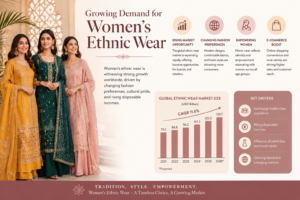
The women’s ethnic wear segment is one of the fastest-growing categories in the apparel industry. Consumers are increasingly seeking outfits that blend traditional aesthetics with modern designs. Kurtis, co-ord sets, ethnic dresses, and fusion wear have become popular choices among women across different age groups.
The rise of social media and online fashion marketplaces has further boosted the visibility of ethnic wear brands. For manufacturers and entrepreneurs, this segment presents significant growth opportunities, particularly in markets like India where ethnic fashion remains an important part of everyday and festive dressing.
The Future of the Garment Industry
The future of the garment industry will be defined by innovation, sustainability, and customer-centric strategies. Companies that embrace digital technologies, maintain high-quality standards, and adapt quickly to market trends will be best positioned for success.
Consumers today expect more than just fashionable clothing. They want transparency, comfort, quality, and responsible manufacturing practices. Meeting these expectations requires continuous improvement and a willingness to evolve with the changing marketplace.
Conclusion
The garment industry is undergoing a remarkable transformation. From sustainable fashion and advanced manufacturing technologies to e-commerce growth and evolving customer preferences, multiple factors are reshaping the future of apparel manufacturing. Businesses that focus on innovation, quality, and customer satisfaction will continue to thrive in this competitive environment.
As the industry evolves, garment manufacturers and fashion brands must remain flexible and forward-thinking. Those who successfully adapt to these changes will not only survive but also lead the next generation of growth in the global fashion industry.